

Progress in Market Creation
Visiting medical frontlines, listening to their insights, and identifying the challenges they face. Standing on the same footing as hospital administrators and taking on shared management goals together. HOGY MEDICAL’s product development has always originated from issues on the frontlines and in hospital management. In our pursuit of solutions, we have developed products that did not exist in the market, continuously evolving them in response to customer needs. Through the provision of value that goes beyond products themselves, we have contributed to the medical field. This section retraces that journey alongside the untold stories behind our product development.
-
Main products
(excerpted)
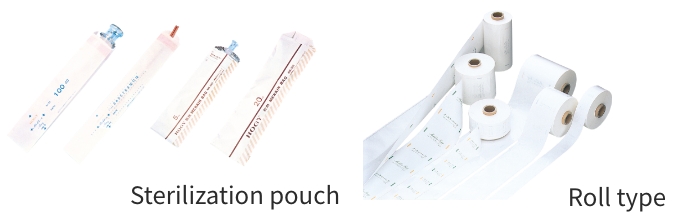 Mekkin Bag
1960s
Mekkin Bag
1960s
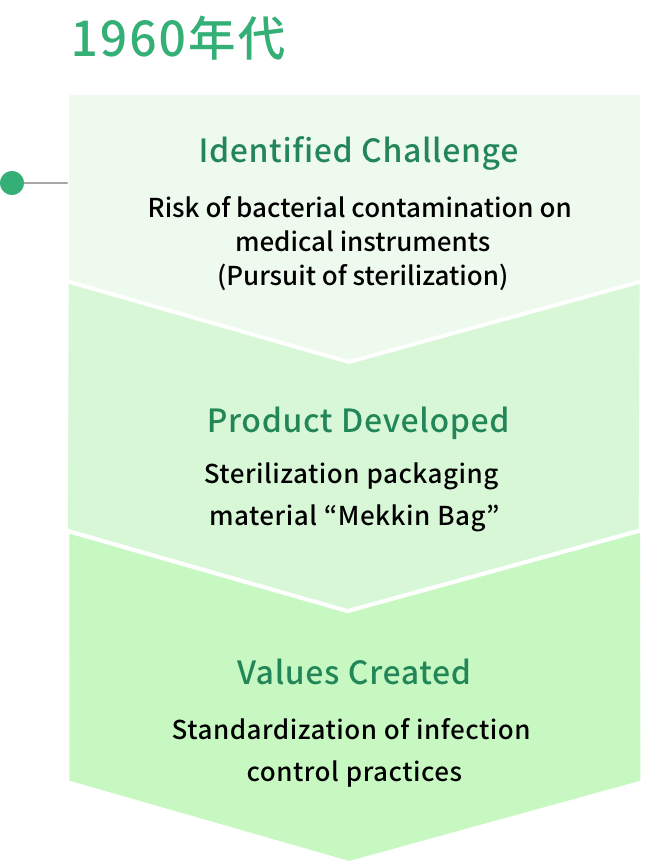
In the 1960s, although autoclaves had become widespread in the medical field, sterilization was still being performed by wrapping medical instruments in newspaper. To address this issue, HOGY MEDICAL launched the “Mekkin Bag” sterilization pouch in 1964. Based on the belief that “what we sell is not just a product but knowledge,” the Company promoted the importance of sterilization to medical professionals. As in-hospital infections became a recognized social issue, HOGY gained support from researchers and medical experts, leading to a shift in awareness in the medical field. The Mekkin Bag standardized infection control practices and has since become synonymous with sterilization storage packaging.
-

 Non-woven fabric products
1970/1980s
Non-woven fabric products
1970/1980s
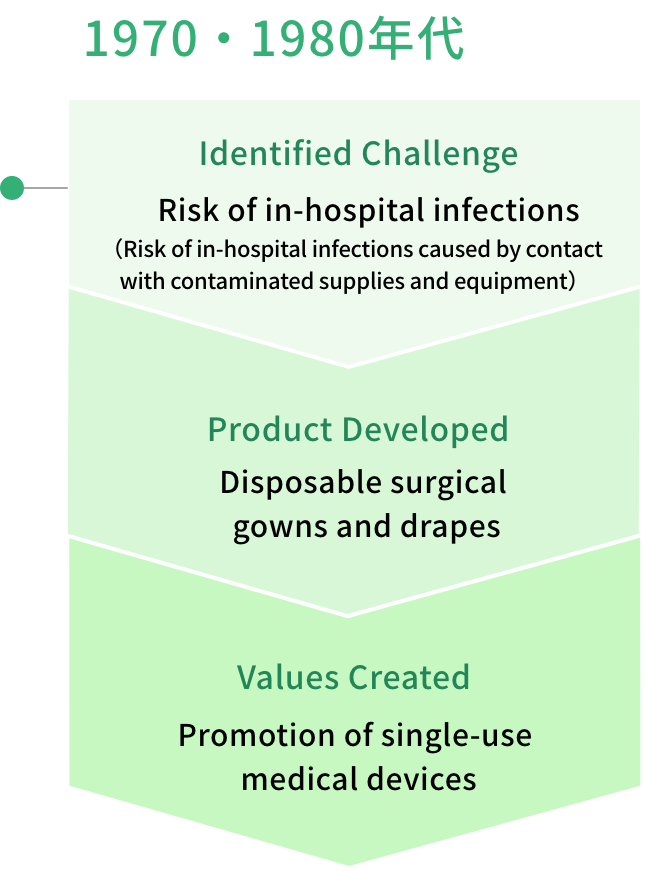
In the 1970s, surgical gowns made of cotton were being washed and reused, raising serious concerns about bacterial contamination. In 1972, HOGY MEDICAL turned its attention to the concept of “disposables,” which had already been standardized in Europe and the United States, and began developing single-use surgical gowns. At a European exhibition, the Company discovered an ideal non-woven fabric and successfully created gowns that were lightweight, soft, and allowed for ease of movement. Testing at model hospitals confirmed reductions in bacterial infection rates and demonstrated economic advantages, thereby also contributing to the streamlining of hospital management.
-
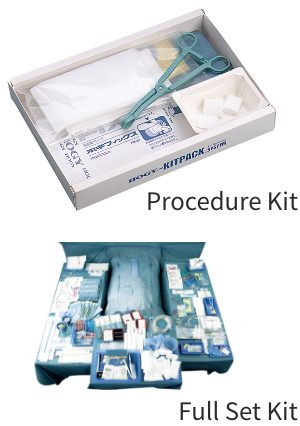
 Surgical Kit
1990s
Surgical Kit
1990s
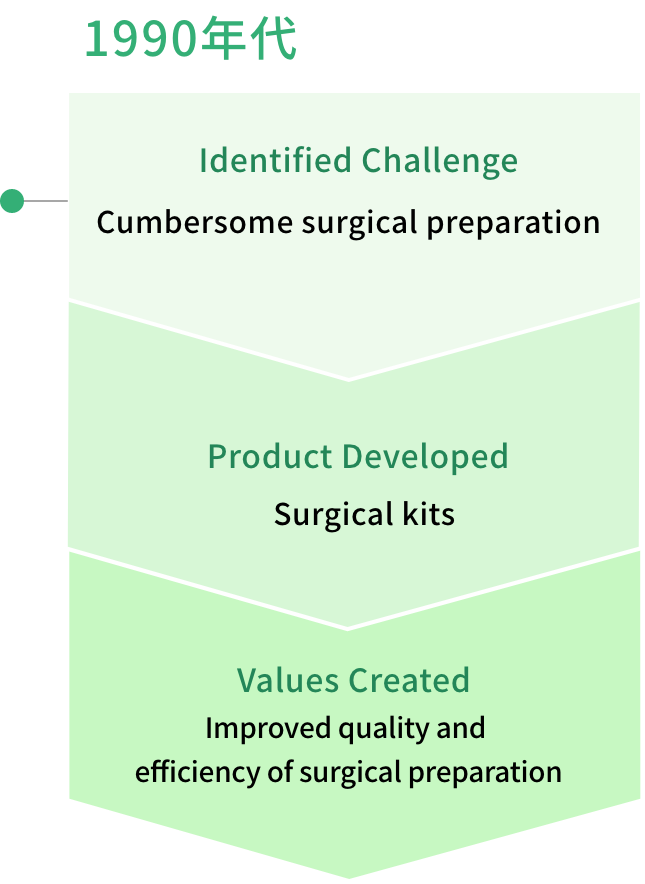
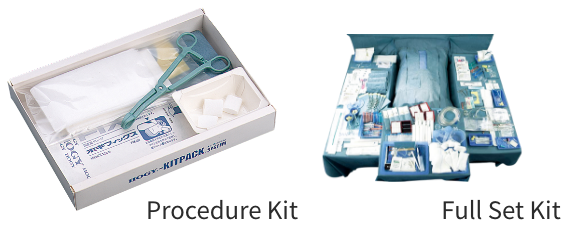
In the early 1990s, a single surgery required dozens of different medical supplies, and nurses often spent hours preparing for each procedure. Transforming this burdensome task was the surgical kit—a one-pack solution that consolidated all necessary materials. By simply opening the kit before surgery, nurses could significantly reduce both preparation and sterilization time. Furthermore, HOGY MEDICAL introduced “custom kits” and “full kits” tailored to the specific needs of the operating room and medical practice, making surgical kits an indispensable tool for improving operating room efficiency.
-

 Opera Master
2000s
Opera Master
2000s
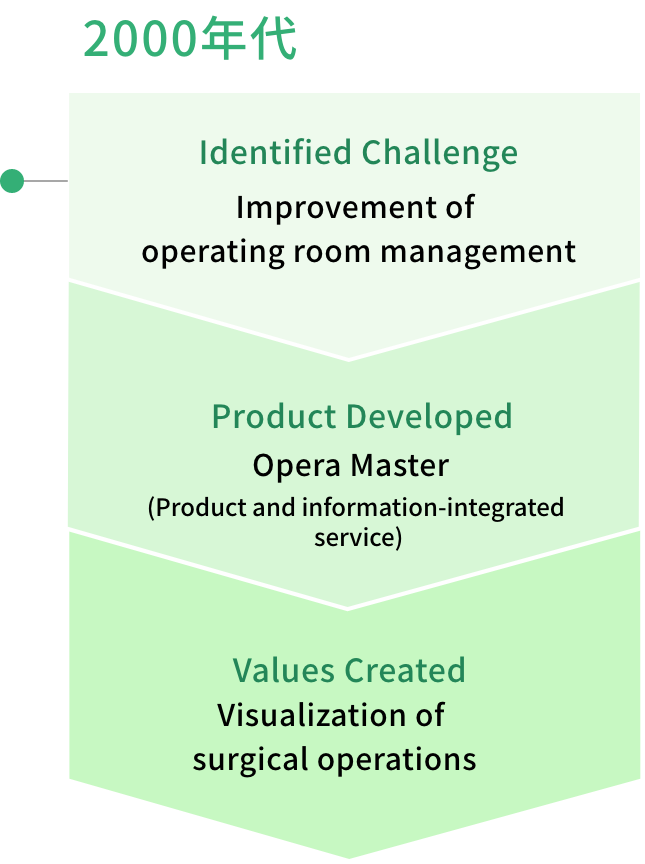
Since the 2000s, hospitals have faced increasingly difficult conditions due to factors such as reductions in medical service fees. Anticipating these changes in the healthcare system early on, HOGY MEDICAL developed “Opera Master” to address hospital management challenges. As a system integrating surgical kits, logistics, and information, it visualizes medical materials by disease, patient, and physician as well as the operating status of operating rooms, extracts and analyzes issues, and continuously makes improvement proposals, thereby contributing to improving hospital profitability.
-
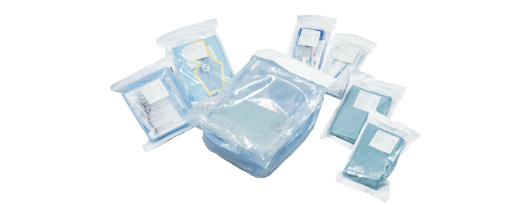 Premium Surgical Kit
2020s
Premium Surgical Kit
2020s
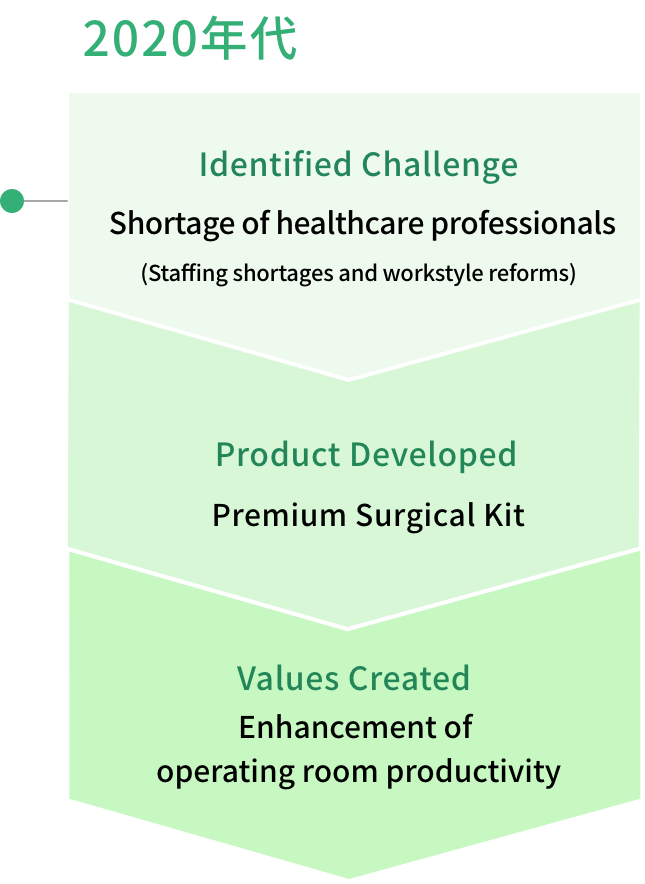
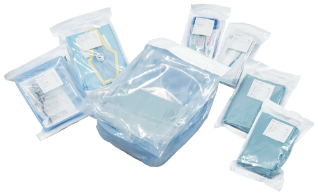
In the 2020s, the medical field faced the dual challenges of an increasing number of surgical patients due to population aging and a shortage of healthcare workers. In response, HOGY MEDICAL focused on the preoperative preparation process. In advanced surgeries, preparing several hundred instruments and supplies could take several hours. To address this, the Company developed the “Premium Surgical Kit,” a custom-made solution that assembles all required surgical instruments and materials tailored to each hospital and physician. By systematizing material preparation before, during, and after surgery, the Premium Surgical Kit significantly reduces preparation time, contributing to more efficient use of nurses’ time and improved hospital profitability.