Environmentally Conscious Product Development and
Resource Efficiency Through Remanufacturing
While prioritizing our responsibility to improve product quality and ensure a stable supply, we actively engage in environmentally conscious product development and environmental contribution initiatives.
Environmentally Conscious Product Development
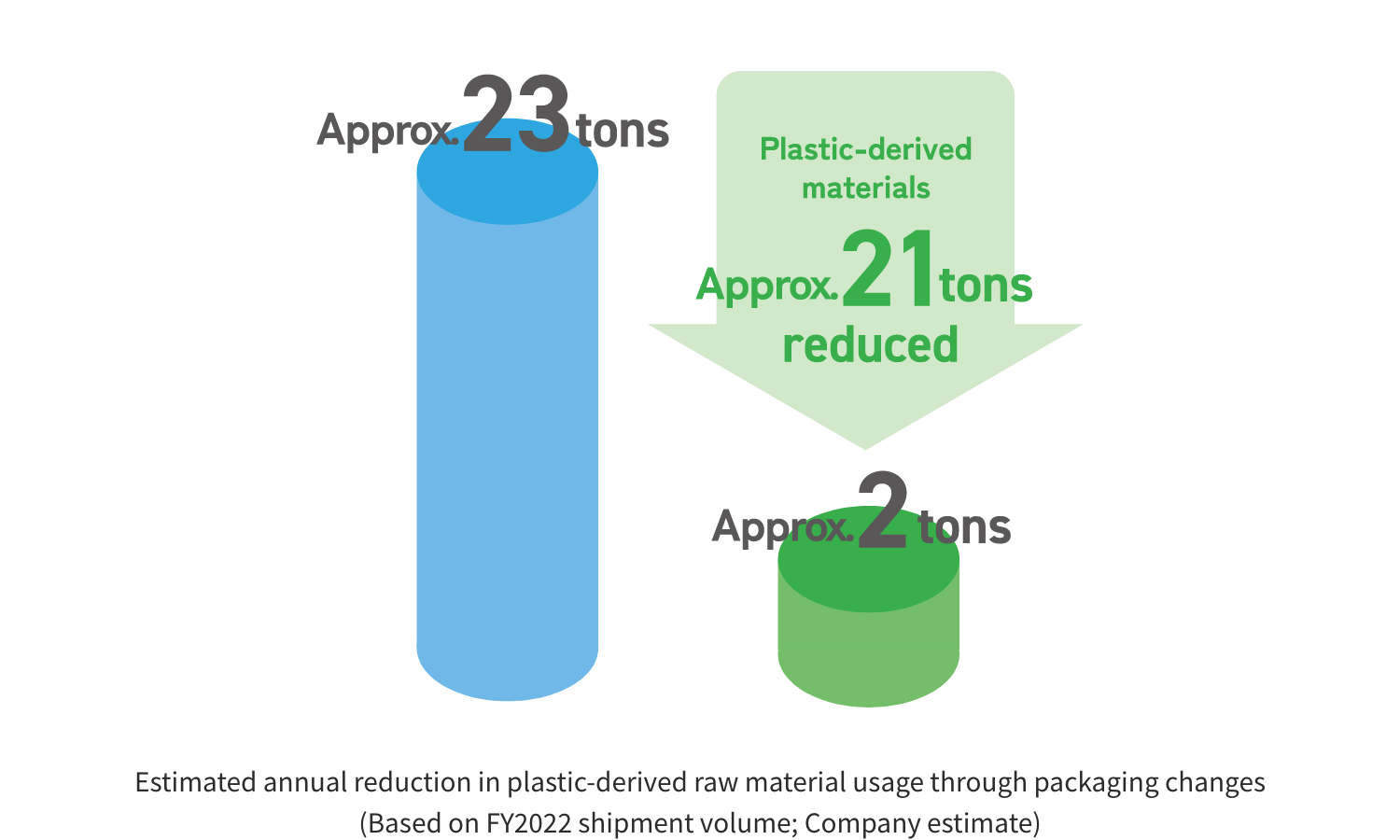
With the cooperation of our business partners, we strive to develop environmentally conscious products by reviewing raw materials, usage volumes, and manufacturing processes. Our commitment to the environment extends beyond the products themselves to include packaging methods, transportation, and all aspects of our business processes.
Market Adoption of Remanufactured Single-Use Medical Devices (R-SUD)
R-SUD refers to remanufactured single-use medical devices (Single Use Devices: SUDs) that are collected from medical institutions by licensed medical device manufacturers, then processed, inspected, cleaned, and sterilized to enable safe reuse. As of the fiscal year ending March 2025, a cumulative total of 12 product types have been launched.
We view the expansion of this business not only as a means to ensure a stable and continuous supply of medical devices, but also as an opportunity to accumulate know-how related to medical device remanufacturing and to drive the creation of new businesses.
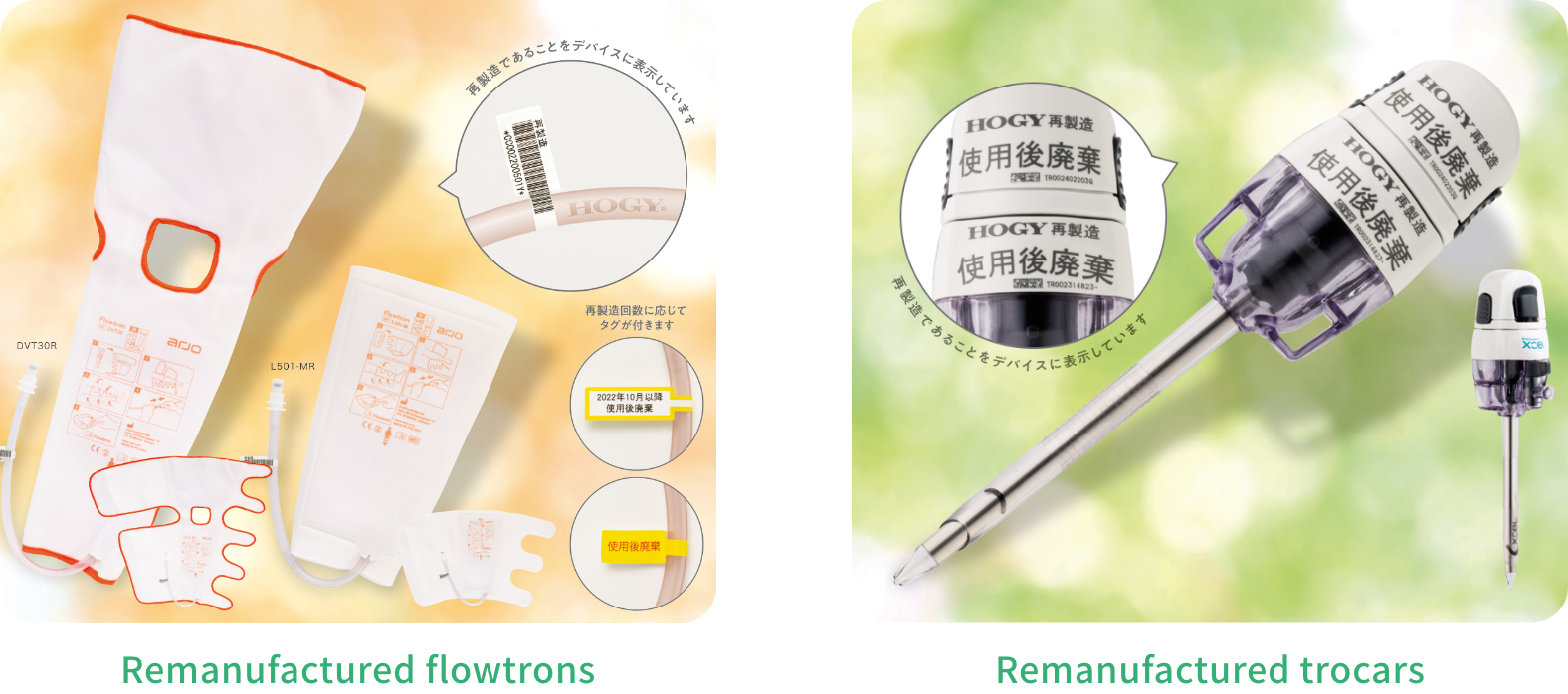
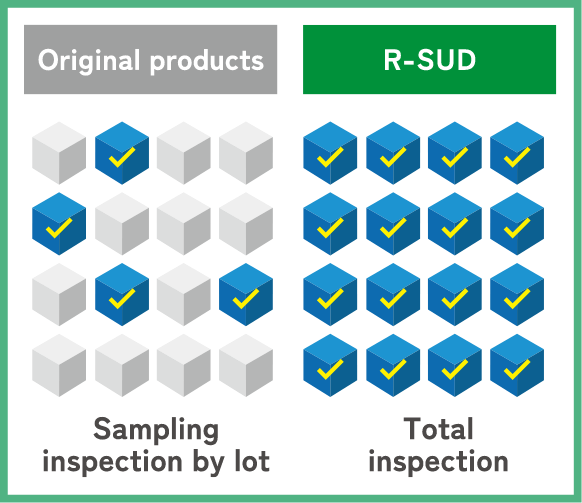
medical resources
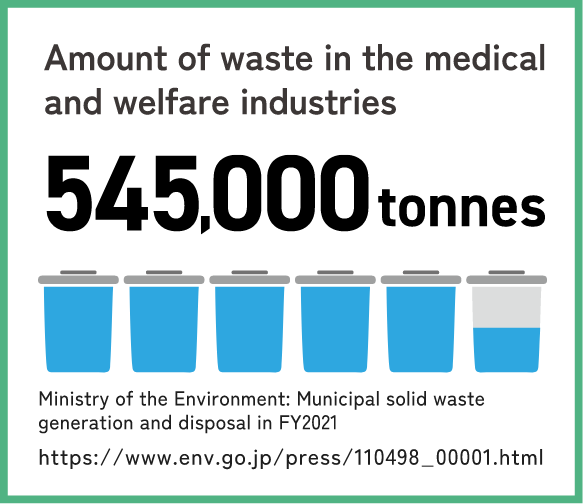
Initiatives to Reduce Greenhouse Gas (GHG) Emissions
In our Medium-Term Business Plan, the Group has identified the reduction of greenhouse gas (GHG) emissions as a key environmental initiative toward FY2035. We are focusing on reducing emissions through efficient energy use and by reviewing product designs and packaging materials.
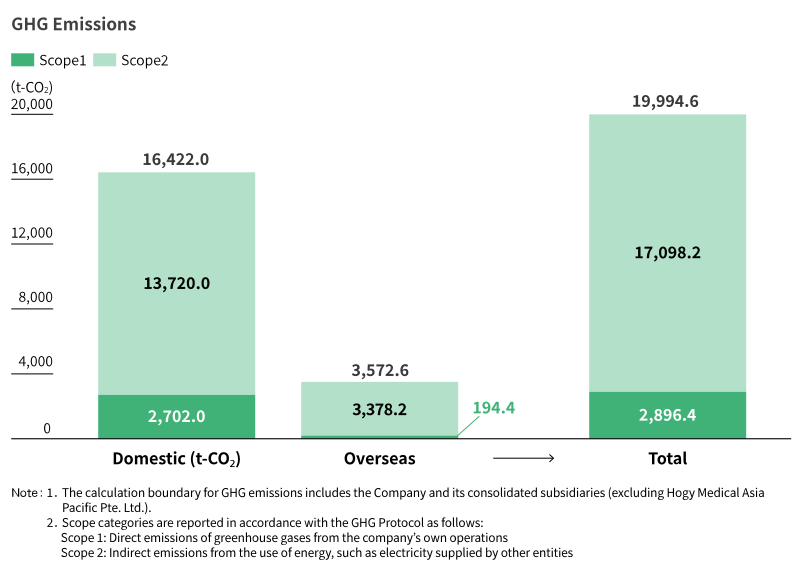
Our Scope 1 and Scope 2 GHG emissions for the fiscal year ending March 2025 are shown below.
Going forward we will begin calculating Scope 3 emissions. By assessing emissions across the entire supply chain, we will identify priority areas for reduction and formulate concrete targets and measures accordingly.
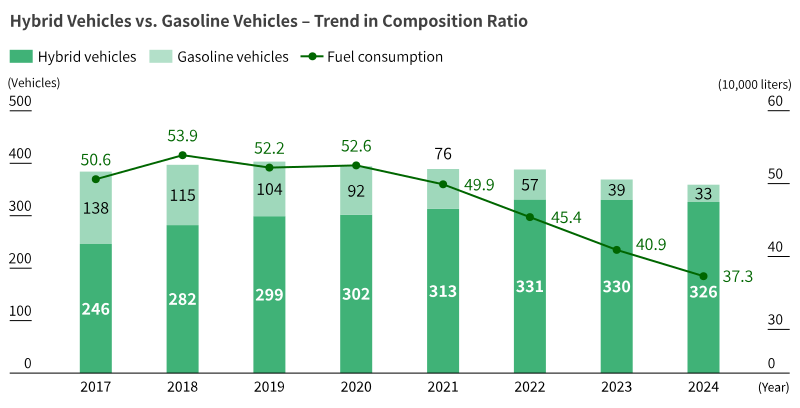
We are steadily transitioning our company fleet from gasoline-powered vehicles to hybrid models. As of March 2025, more than 90.1% of all company vehicles are hybrid. Looking ahead, we are also considering the introduction of electric vehicles (EVs) as we continue to adopt more environmentally responsible modes of transportation.
Continuing a Sustainable Nature Restoration Project for 16 Years
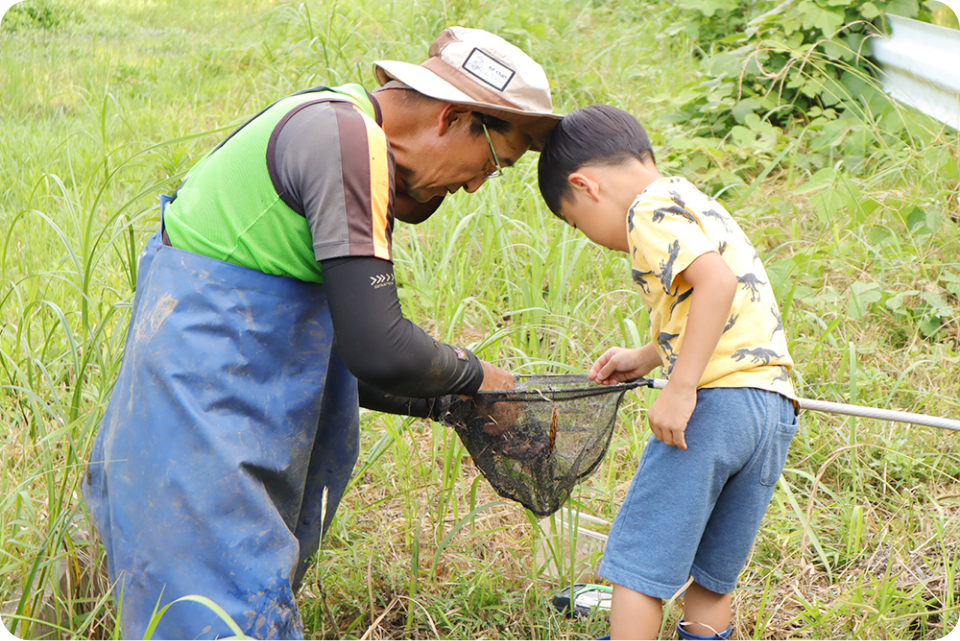
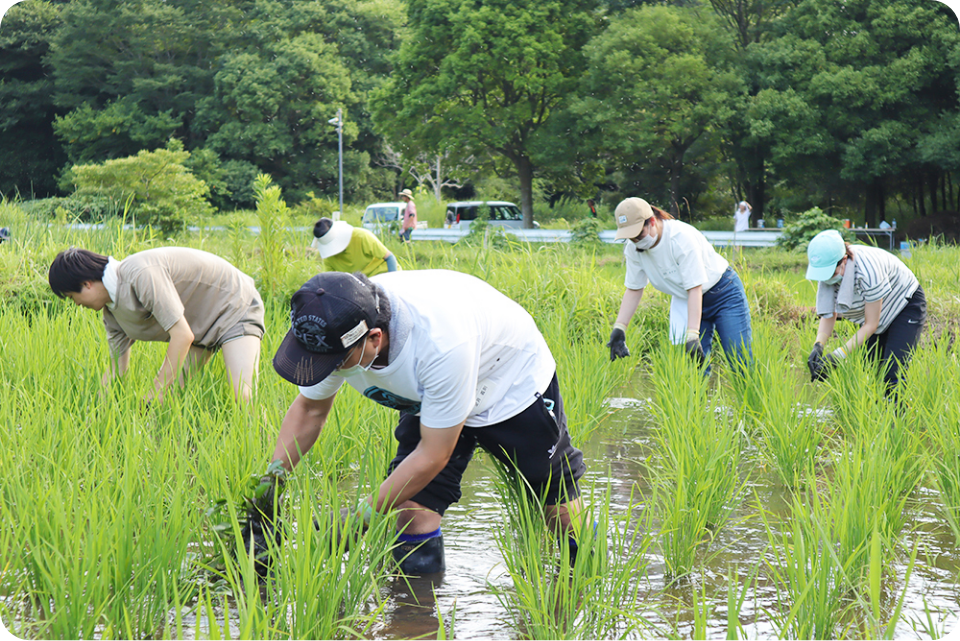
Since 2009, we have been engaged in the “Yatsuda Restoration Project” in partnership with the nonprofit organization Asaza Fund. This initiative aims to restore a 6,700 m² abandoned paddy field adjacent to our Tsukuba Plant as a rice field, and we have continued to cultivate rice without the use of pesticides. More than 2,500 employees and their family members have participated to date, contributing to the creation of communities that coexist in harmony with nature.